
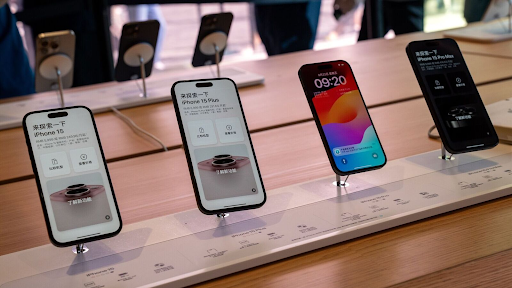
As part of a massive, multifaceted strategic overhaul, Apple is widening its net to capture every conceivable segment of the smartphone market, expanding its iPhone lineup to seven models by 2027. A key component of this expansion, often overshadowed by the high-end news, is the introduction of a new “e” version, a model likely positioned to serve as the accessible entry point into the iOS ecosystem. By offering a designated budget-friendly option, the company aims to compete more aggressively in emerging markets and among younger demographics, ensuring that price is no longer a barrier to entry for its services.
The “e” model is currently scheduled for a spring release starting in 2026, where it will share the stage with the standard iPhone 18 and the experimental iPhone Air. Launching the “e” model in the spring is a highly tactical decision that benefits the brand image. It separates the value-focused device from the luxury-focused Pro and Foldable models launching in the fall, preventing brand confusion and allowing the marketing campaigns to focus specifically on the “e” model’s value proposition without distractions.
While the “e” model drives volume and market share, the iPhone Air drives interest and prestige during the same window. Also launching in the spring, the Air is a “technology exercise” and prototype for the foldable. The contrast between the practical, reliable “e” model and the avant-garde, experimental Air makes the spring launch event dynamic and appealing to a wide range of consumers, from the budget-conscious to the tech-obsessed.
This expansion necessitates a split release schedule to manage the immense logistical load of producing so many different units. Producing millions of “e” models requires a massive supply chain effort that focuses on efficiency and speed. By decoupling this from the complex, slower production of the fall flagship models, the company “reduces pressure on manufacturing,” ensuring that yield rates remain high for all devices across the board.
The “e” model is poised to be the silent workhorse of the new seven-model lineup, generating the user base that fuels the services revenue. While the foldable “star” grabs the headlines and the magazine covers, the “e” model will likely grab the market share numbers. It provides the volume foundation that allows the company to take financial risks at the high end, securing the ecosystem’s future growth for the next decade.
