
Iranian ballistic missiles reached Tel Aviv and central Israel over the weekend, with most intercepted by Israeli air defenses but at least one seriously injuring a civilian when a residential building was struck. The brazen strikes on Israel’s commercial heartland, combined with simultaneous Iranian attacks on Gulf states and Israeli strikes on Iranian oil facilities, drove global crude prices above $100 per barrel.
Iranian forces launched intermittent barrages of ballistic missiles toward Tel Aviv throughout the day, in what appeared to be a deliberate effort to demonstrate the range and persistence of Iran’s missile capabilities. Most were intercepted, but the psychological impact of repeated attacks on a major civilian population center was significant.
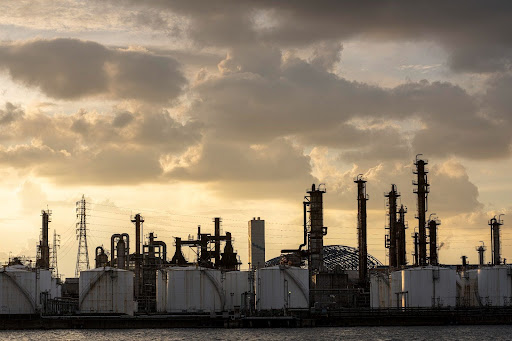
Israeli strikes had earlier hit oil storage and fuel distribution facilities near Tehran, killing four workers and leaving the Iranian capital blanketed in black smoke. Iran’s Revolutionary Guards threatened to push global oil to $200 per barrel and launched simultaneous strikes against Saudi Arabia, the UAE, Qatar, Bahrain, and Kuwait.
Saudi forces intercepted 15 drones, Bahrain’s desalination plant was damaged, two Saudi civilians died, and a US service member was killed in an Iranian attack — the seventh American fatality of the conflict. Reports that Russia had been providing targeting intelligence to Iran deepened concerns about the war’s geopolitical dimensions.
Iran’s clerical body appointed Mojtaba Khamenei as supreme leader following his father’s death. The appointment was historic and divisive, and the new leader’s first days in office were defined entirely by a war that was escalating on every front and showing no signs of moving toward any form of resolution.
