
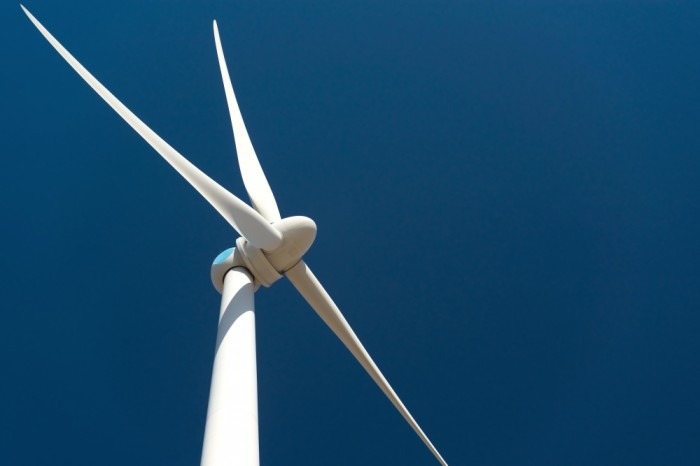
In a significant legal move, six U.S. states have initiated a lawsuit against the Trump administration over its recent decision to cancel a major offshore wind energy lease near New York. Led by New York Attorney General Letitia James, the lawsuit challenges an agreement with TotalEnergies that terminated planned offshore wind projects, claiming it was unlawful and overstepped federal authority.
The dispute centers around a March agreement wherein the federal government promised nearly $1 billion to TotalEnergies in exchange for the company dropping its plans for two offshore wind farms off the coasts of New York and North Carolina. As part of the deal, TotalEnergies agreed to forgo future offshore wind projects within the U.S. and shift focus to oil and gas ventures. The states involved in the lawsuit—Connecticut, Maine, Massachusetts, New Jersey, Rhode Island, and Vermont—argue that this agreement breaches federal laws related to offshore energy leases and the allocation of public funds.
Plaintiffs in the lawsuit contend that the cancellation of these projects poses a threat to the development of clean energy, the creation of union jobs, and the broader effort to expand affordable renewable electricity options. They are seeking a court ruling to nullify the agreement, reinstate the offshore wind lease, and block any further progress on the deal.
Defending its decision, the administration has pointed to the high costs, unreliability, and reliance on government subsidies associated with offshore wind projects. Officials have framed the agreement as part of a larger strategy to emphasize traditional energy sources and bolster domestic energy security. However, proponents of offshore wind energy counter these claims, highlighting the potential of renewable energy projects to lower long-term electricity costs, foster job creation, and reduce reliance on fossil fuels.
The unfolding case is poised to become a pivotal legal battle over U.S. energy policy, spotlighting the persistent rift between state-level initiatives championing renewable energy and federal efforts to prioritize conventional energy sources.
