
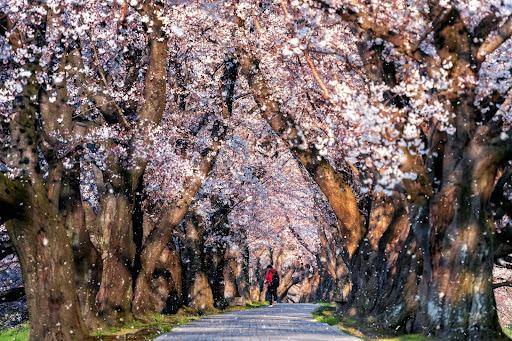
The ephemeral beauty of India’s blossoms has been a recurring theme in the country’s literary traditions for centuries. From classical Sanskrit poetry to modern regional literature, the “falling petal” is a powerful metaphor for the passage of time and the beauty of life. These literary reflections offer a deeper understanding of the cultural significance of the spring awakening.
In Kashmir, the blossom season has historically been a time of poetic gathering and oral storytelling. Poets would meet in the Mughal gardens to recite verses inspired by the almond and cherry trees. These works often explore themes of longing, renewal, and the profound connection between the human spirit and the natural world.
Modern writers continue to be inspired by the “magical” sights of the Kullu Valley and the Khasi Hills. Travelogues and personal essays about the blossom season often focus on the emotional impact of seeing the landscape transformed. These writings help build a contemporary narrative around India’s floral heritage, making it accessible to a wider audience.
Literary festivals are also beginning to incorporate the blossom season into their programming, with “poetry walks” through the flowering groves. This fusion of literature and nature provides a unique intellectual and aesthetic experience for visitors. It encourages a more reflective and thoughtful approach to tourism.
The enduring appeal of the blossom in literature is a testament to its universal power as a symbol of hope and beauty. Even as the world changes, the simple act of a petal falling continues to inspire the same sense of wonder that it did centuries ago. The poetry of the petal is a legacy that belongs to everyone.
