
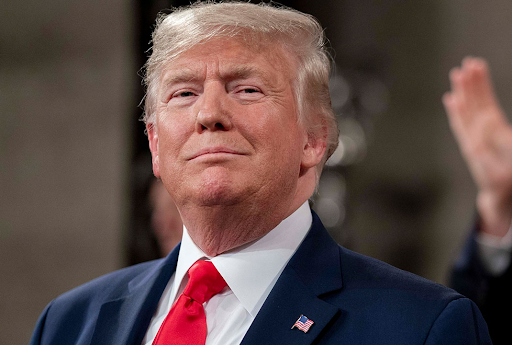
Donald Trump’s supporters often point to the “flurry of high-profile nominations” he has received as evidence of his strong Nobel candidacy. However, in the deliberative world of the Nobel Committee, the quantity and fame of the nominators have a much smaller impact than the quality and substance of the nominee’s work. It’s a classic case of quantity not equaling quality.
The Nobel nomination process is intentionally broad. Thousands of individuals worldwide, including all members of national parliaments and many university professors, are eligible to submit a name. This democratic process ensures a wide range of candidates, but it also means that a politically motivated flurry of nominations is relatively easy to generate.
The committee is composed of seasoned experts who understand this dynamic. They are not simply counting votes. They know that a nomination from a close political ally (like Benjamin Netanyahu) carries a different weight than one from a neutral academic body. They are trained to look past the political noise and focus on the core merits of the case.
Crucially, some of Trump’s most talked-about nominations arrived after the February 1 deadline for the 2025 prize, making them procedurally irrelevant for this year. This detail, often lost in the media coverage, further diminishes the impact of the “flurry.”
In the end, a single, well-reasoned nomination for a grassroots activist who has spent 30 years building peace may carry more weight with the committee than a dozen politically orchestrated nominations for a famous leader. For Trump, the flurry of nominations has created a powerful media narrative, but for the committee in Oslo, it is likely to have only a ripple of real impact.
