
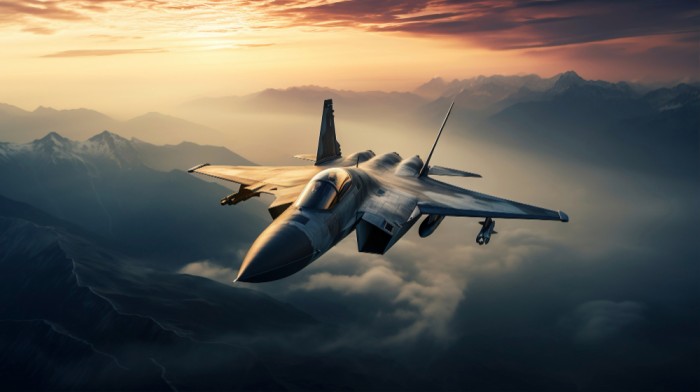
The United States has intensified its military actions against Iran with new strikes targeting Iranian military sites, signaling a significant rise in tensions over the Strait of Hormuz. The U.S. government has justified these operations as a measure to diminish Iran’s capability to threaten commercial shipping and disrupt international maritime routes in this critical region.
President Donald Trump emphasized that the military actions were designed to ensure Iranian forces are held responsible for their aggressive actions. Meanwhile, Iran has strongly denounced the U.S. strikes, arguing that they have sabotaged recent diplomatic initiatives and rendered negotiations ineffective.
Prior to these developments, Iran had launched missile and drone attacks on U.S. military installations located in several Gulf countries. Moreover, Iran announced new restrictions on navigation through the Strait of Hormuz, asserting that these limitations would remain until regional stability is reestablished.
This latest round of hostilities has heightened security concerns along one of the world’s most vital energy conduits. The Strait of Hormuz is pivotal for global oil and liquefied natural gas shipments, and the escalating tensions have already led to an increase in global oil prices amid fears of sustained disruptions.
Despite the rising conflict, the U.S. has reiterated its commitment to safeguarding freedom of navigation and ensuring that commercial vessels can safely transit the region. American forces are set to continue their operations to maintain the open passage of maritime traffic through these crucial waters.
