
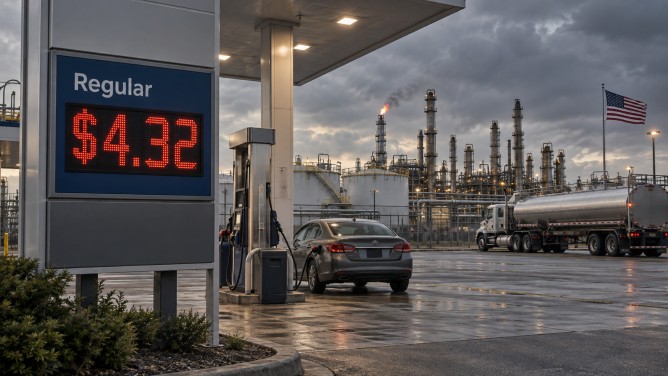
Gasoline prices in the United States have surged to an average of $4.32 per gallon, highlighting the impact of global oil supply concerns and geopolitical tensions. According to the US Energy Information Administration, this marks an increase of nearly 25 cents in just two weeks, a stark contrast to the average of $3.18 per gallon during the same period in 2024.
The primary driver behind the rise in gasoline prices is the global crude oil market, which is currently under pressure due to conflicts and disruptions in the Middle East, Iran, and Ukraine. These geopolitical tensions have sparked fears over oil supply stability, contributing to the escalation of energy prices.
Alongside gasoline, diesel prices have also reached unprecedented levels, adding to the financial strain on transportation and shipping industries. Rising diesel costs can lead to higher expenses in moving goods, potentially affecting overall consumer prices.
Typically, gasoline prices decline in the fall as US refiners transition from using summer-grade fuel to less expensive winter-grade formulations. However, analysts caution that ongoing geopolitical risks might limit the expected seasonal price drop this year.
Adding to the complexity is the reduced capacity of the US Strategic Petroleum Reserve, which has seen significant withdrawals, leaving less emergency oil available to counter potential major supply disruptions. This limitation could hinder the government’s response to further supply challenges.
Energy market analysts anticipate continued volatility in fuel prices, as developments in the Middle East and the Russia-Ukraine conflict continue to influence global oil dynamics. While a seasonal decline in gasoline prices may offer temporary relief, the ongoing supply risks could keep prices elevated in the longer term.
