
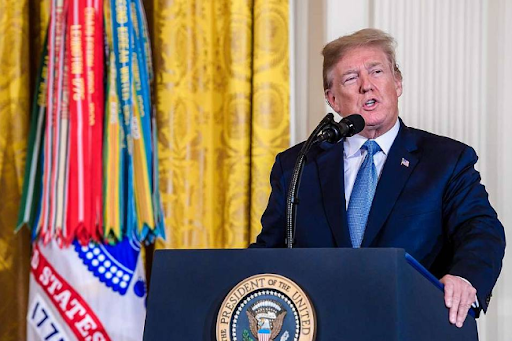
President Trump’s State of the Union remarks on Iran were simultaneously delivered to two distinct audiences — Americans watching at home and Iranian leaders watching from abroad — and the speech appears to have been crafted with both in mind. The result was a carefully calibrated message that sent different but complementary signals to each.
To the domestic audience, Trump delivered reassurance and confidence: the US has already struck Iran’s nuclear facilities, is actively engaged in negotiations, and maintains an absolute red line on nuclear weapons. American lives and interests are being protected by a President who is both strong and strategically engaged.
To the Iranian audience, the message was both a warning and an offer. The warning: the US will not allow Iran to obtain a nuclear weapon, has already used military force to prevent it, and is prepared to do so again. The offer: a deal is available, Iran’s interest in one has been acknowledged, and the condition for reaching it is specific and achievable.
Trump’s description of two rounds of active negotiations served both audiences — reassuring Americans that diplomacy is being pursued and signaling to Iran that the US is engaged in good faith. His description of Iran’s military advances served as justification to Americans and as a statement of awareness to Iranians.
The result was a State of the Union passage that functioned as simultaneous domestic politics and international diplomacy — a high-wire act that reflected the complexity of the US-Iran relationship and the multiple demands a President must balance when speaking to the world.
