
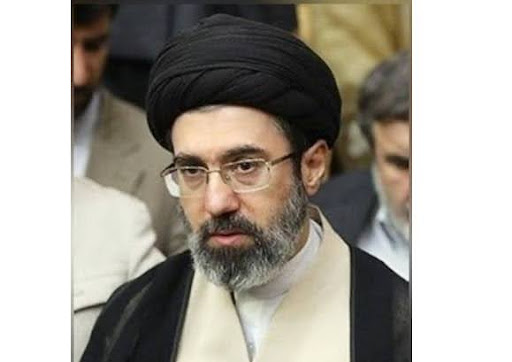
The appointment of Mojtaba Khamenei as Iran’s new supreme leader on Sunday came against the backdrop of a conflict that is already threatening to disrupt the global economy. The IRGC’s warning that oil could exceed $200 per barrel if Israeli attacks on Iranian energy infrastructure continued sent shock waves through financial markets already rattled by military operations across the Gulf. The United States sought to calm investors by pledging not to target Iranian energy sites, but the underlying conflict dynamics that drove the threat remain unresolved.
Mojtaba Khamenei, 56, was confirmed by the Assembly of Experts in a vote described as decisive, succeeding his father who was killed in a US-Israeli strike on February 28. The new supreme leader is a conservative cleric educated in Qom, with no formal governing experience but extensive informal influence within the regime. His close ties to the IRGC are particularly relevant given the guards’ role as the primary driver of Iran’s energy threat strategy.
Iran’s institutional backing for the new leader was comprehensive and rapid. The IRGC, armed forces, parliament, and security leadership all pledged loyalty within hours. Ali Larijani endorsed Mojtaba’s leadership capabilities. The Houthi rebels in Yemen congratulated him. State media broadcast coordinated coverage of institutional support. The regime’s message was one of resilience and continuity — an implicit statement that the leadership transition would not diminish Iran’s willingness to use economic leverage as a weapon.
The Israeli strikes that prompted the IRGC’s oil threat targeted at least five energy sites in and around Tehran, sending black smoke across the Iranian capital. Gulf states were simultaneously under attack from Iranian forces, with civilian deaths in Saudi Arabia and infrastructure damage in Bahrain. The combination of strikes on Iranian energy facilities and Iranian attacks on Gulf neighbors creates the conditions for a significant disruption of regional and global energy supplies if the conflict continues to escalate.
The global economic dimension of the Iran conflict represents a distinct and potentially decisive front in the overall struggle. Nations dependent on Gulf energy supplies have a direct stake in de-escalation that goes beyond geopolitical alignment with either side. Whether this economic pressure creates a pathway to negotiation — or simply adds another layer of complexity to an already intractable conflict — will become clearer as Mojtaba Khamenei settles into his role and makes his strategic intentions known.
