
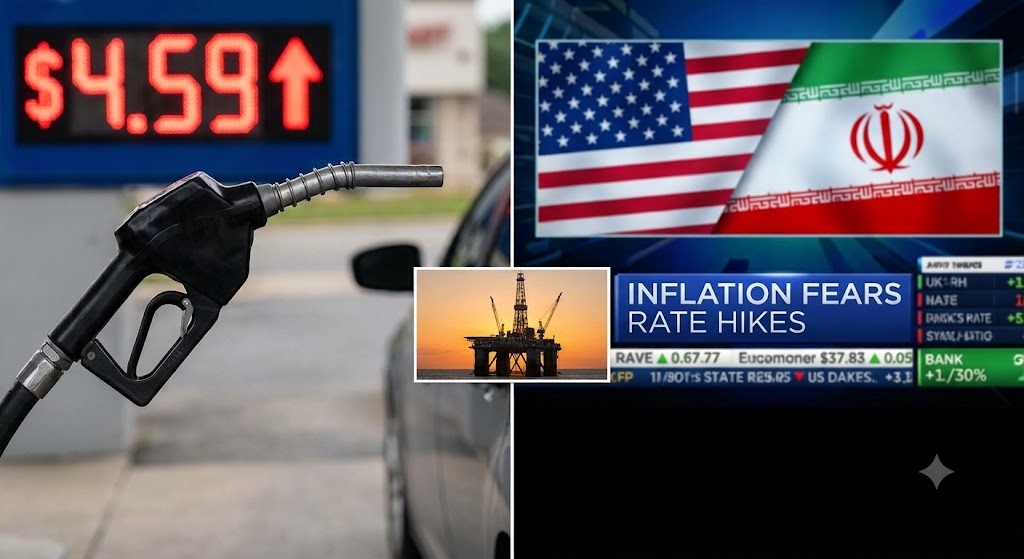
The recent military tensions between the United States and Iran have triggered a rise in global oil and gas prices, sparking fears about energy supply disruptions and burgeoning inflation. Brent crude oil prices experienced a significant spike, peaking at their highest in over a month, before stabilizing after President Donald Trump decided to retract a proposed tariff on ships passing through the Strait of Hormuz.
This fluctuation in energy prices has led to increased speculation that central banks, such as the Bank of England and the European Central Bank, might consider hiking interest rates later this year as a measure to combat inflation. In response to these developments, bond yields have climbed, while European stock markets initially dipped but later rebounded as apprehensions regarding the shipping levy subsided.
Market analysts caution that ongoing tensions in the Middle East are likely to keep energy markets in a state of volatility. Such instability could have far-reaching implications for global inflation rates and monetary policy strategies in the months ahead.
These geopolitical developments underscore the delicate balance that policymakers must maintain in addressing the dual challenges of economic stability and geopolitical uncertainty. The evolving situation in the Middle East remains a critical factor for stakeholders across the financial spectrum, as they navigate the complex interplay between energy markets and international diplomacy.
