
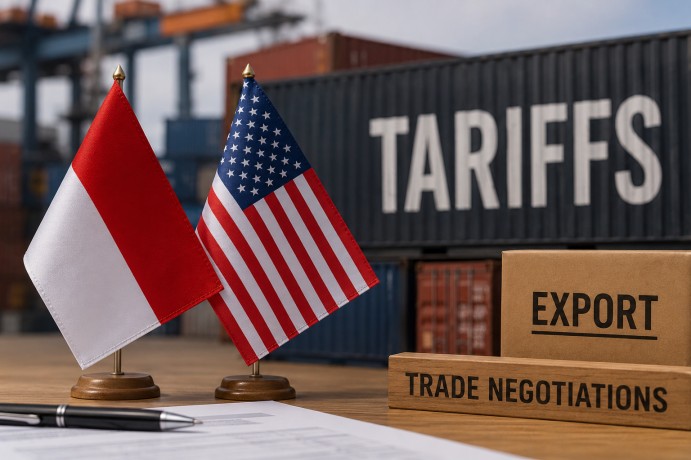
Indonesia is seeking clarity from the United States regarding the continuation of tariff exemptions on its key exports following the imposition of a new 10% tariff by the U.S. This tariff was introduced amid concerns about forced labor enforcement, and Indonesia is among the nations affected by this levy. Indonesian officials are actively engaging with U.S. trade authorities, hoping that the existing trade agreements will still allow their products like crude palm oil, cocoa, coffee, and natural rubber to enjoy duty-free access.
While negotiating to maintain favorable trade terms, Indonesia is also awaiting another U.S. investigation outcome concerning structural excess capacity. This separate investigation could lead to further trade measures impacting Indonesian exports. The Indonesian government has emphasized its commitment to negotiations aimed at securing competitive tariff rates and safeguarding its export markets.
In a positive development, the U.S. policy has granted preferential treatment to certain Indonesian textile exports that incorporate U.S. cotton and other American inputs. This aspect of the policy could benefit Indonesia’s textile industry by enhancing its competitive edge in the U.S. market.
Trade relations between the two countries have been robust, with Indonesia reporting a bilateral trade volume of $18.4 billion with the U.S. in the first five months of 2026. During this period, Indonesia enjoyed a trade surplus of approximately $7 billion, highlighting the significance of the U.S. market for Indonesian exports.
