
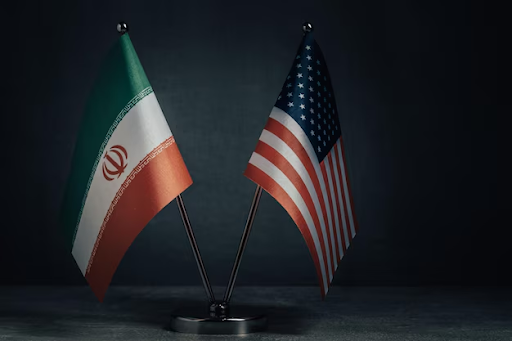
Iran drew a firm and explicit boundary around Tuesday’s indirect nuclear talks in Geneva, insisting that its ballistic missile programme and its support for allied militia groups across the region would not be discussed under any circumstances. This limitation defined the scope of the negotiations as strictly nuclear, even as the US and others have long sought to include these broader security concerns in any comprehensive agreement with Tehran.
Foreign Minister Araghchi confirmed after the session — described as more constructive than the first round — that both sides had agreed on guiding principles and would exchange draft texts before a third meeting in roughly two weeks. Within the nuclear scope that Iran had defined, the talks covered enrichment, stockpile management, IAEA access, and verification protocols.
Iran’s core nuclear offer included the dilution of its near-weapons-grade uranium and expanded cooperation with IAEA inspectors, including at sites damaged in recent US airstrikes. These proposals were framed as genuine confidence-building measures that demonstrated Iran’s commitment to a negotiated solution, provided that the US accepted the boundaries Tehran had established for the talks.
The US had its own unresolved demands within the nuclear framework: specifically, a complete halt to domestic uranium enrichment — a condition Iran rejected outright. The two sides also differed on the duration of any temporary enrichment suspension and the precise scope of IAEA access, leaving several substantive issues to be addressed in the next round.
The regional context in which these nuclear-only talks were taking place was shaped precisely by the issues Iran refused to discuss. Iranian-supported militia groups were active across multiple countries, and Iran’s ballistic missile programme was a source of deep concern for Gulf states, Israel, and Western governments. Whether a nuclear-only deal — however well-crafted — could provide durable regional security remained an open and contested question.
